Ghana Customs Duty on Imports: How It Is Calculated
Short answer: Ghana customs duty is calculated from the customs value of your goods (usually cost, insurance and freight) and the tariff for the goods' HS code, plus several taxes and levies charged on top. Because the rate depends on exactly what you import, the only reliable figure comes from a licensed customs broker once your documents are ready.
This guide explains the parts that make up the bill so you know what to expect. It does not list current rates, because these change; NDL's brokers confirm the exact amount for your shipment.
1. The HS code decides the duty rate
Every product is classified under a Harmonized System (HS) code. The code tells customs which tariff rate applies. Two similar-looking products can fall under different codes with different rates, so accurate descriptions on your invoice matter.
Vague descriptions such as "goods" or "accessories" slow down clearing and can lead to a higher classification. Ask your supplier to describe each item clearly.
2. Customs value
Duty is generally charged on the customs value of the goods, which normally includes the cost of the goods, insurance and freight to Ghana. Customs can compare your declared value against reference values, so under-declaring often backfires and causes delays or penalties.
3. Taxes and levies on top of duty
Besides import duty, an import declaration usually includes VAT and a number of levies and fees set by the government. The exact list and rates are set by the Ghana Revenue Authority and can change, so we do not quote them here. Your broker will show each line on your assessment.
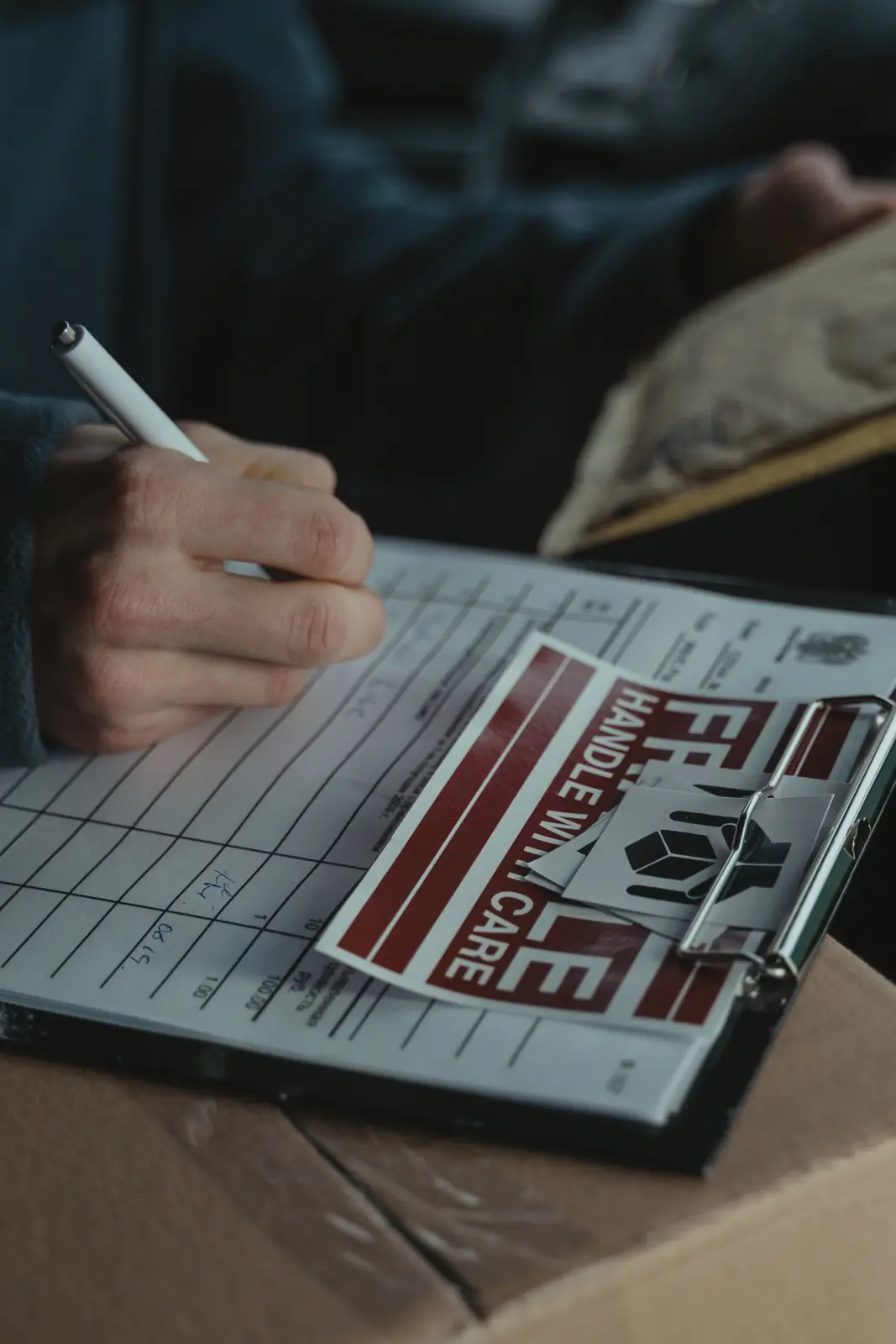
4. Documents you need
For NDL groupage customers, we prepare much of this for you from the information you give us when the goods are received at our China warehouse.
- Commercial invoice from the supplier
- Packing list
- Bill of lading (sea) or air waybill (air)
- Any permits or certificates your goods require
- Your Ghana ID or TIN details
5. How clearing works at Tema
Once the vessel arrives, the declaration is lodged, duty is assessed and paid, the goods may be inspected, and a release is issued. NDL's in-house licensed brokers handle these steps, along with port charges and delivery orders. Read our guide on clearing goods at Tema Port for the full process.
How to keep your duty bill fair
- Describe goods accurately and in detail
- Keep real invoices; never use fake values
- Ask NDL about duty before you buy expensive or unusual items
- Check whether your goods need a permit before shipping
Is duty included in NDL's rates?
For sea groupage (LCL) from China, NDL's rate from $230 per CBM includes customs clearing. Ask your sales rep exactly what is covered for your shipment so there are no surprises.
Frequently asked questions
How is import duty calculated in Ghana?
Duty is based on the customs value of your goods and the tariff for their HS code, with VAT and other levies added. A licensed broker confirms the exact amount.
Can I know my duty before shipping?
Yes. Send NDL a clear description of the goods and their value and our brokers can give you an estimate before your cargo arrives.
Does NDL clear goods at Tema?
Yes. NDL has licensed customs brokers in-house who clear goods at Tema Port and Kotoka Airport.
What happens if I under-declare my goods?
Customs may re-value the goods, delay release or apply penalties. Always declare the real value.
Freight rates and duty changes, in your inbox
Monthly CBM and air rate movements from China, Dubai, Thailand, Canada and the US, plus new GRA duty and Tema Port guidance.
Keep reading

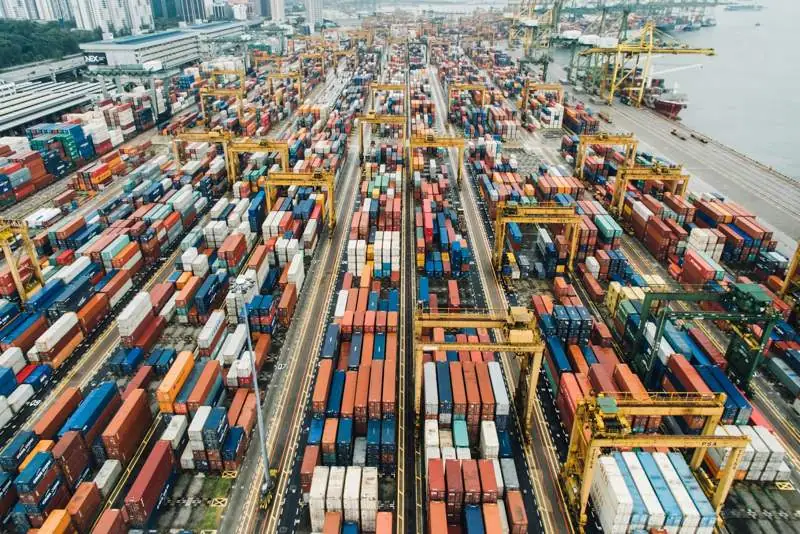
How Clearing Goods at Tema Port Works
The customs clearing process at Tema Port explained: documents, declaration, duty assessment, inspection, release and delivery, and how NDL's brokers handle it.
Tema Port customs duty explained: how GRA calculates what you pay
Understand Ghana import duty, VAT, NHIL, GETFund and the ECOWAS levy, how ICUMS values your goods at Tema Port, and which documents you need to clear fast.
Best Products to Import from China to Ghana
Product categories Ghanaian importers commonly bring in from China, how to choose a product that sells, and what to check before you buy.